5 Signs Your Commercial Building Needs a New Roof
This article explores the critical signs that indicate your commercial building may require a new roof. Recognizing these structural symptoms is essential for safeguarding the long-term value of the property and ensuring the safety of its occupants. Replacement or repair can be a substantial financial undertaking, but it is pivotal in preventing larger fiscal outlays in the future. The structural integrity of a commercial facility must be maintained at an elite level to prevent unexpected asset failures or catastrophic operational events. Understanding these warning signs can help property managers prevent costly secondary interior damages while ensuring the physical safety and functional integrity of their commercial real estate portfolios.
Establishing a rigorous assessment routine transforms the building maintenance strategy from a reactive liability into a well-managed operational asset. As commercial real estate standards continue to rise across the country, forward-thinking building owners understand that partnering with trusted commercial roofing contractors directly affects building energy efficiency, safety standard compliance, and long-term asset resilience. Embracing these advanced evaluation frameworks allows facility managers to protect hard-earned corporate capital while cultivating a secure indoor environment where business operations can thrive daily. Ultimately, a proactive commitment to comprehensive property care underpins your strategic corporate initiatives, helps maintain predictable asset life cycles, and establishes a reliable foundation for enduring commercial market success.
1. Persistent Active Water Leaks Inside the Building
Visible internal leaks are one of the most immediate indicators that your commercial facility requires urgent structural attention. Over time, roof membranes can develop stress cracks, open seams, and minor punctures that allow heavy rainwater infiltration. Dark water stains on ceilings and interior walls are not merely cosmetic blemishes; they represent active moisture penetration that compromises underlying drywall and concrete. If these moisture intrusions are not addressed promptly by an experienced professional, mold or mildew can rapidly thrive, creating severe indoor air quality hazards for your employees and clients.
During periods of intense rainfall, dripping water inside a warehouse or office space creates immediate slipping hazards and threatens expensive corporate electronics. Unexplained increases in indoor humidity levels or a persistent musty odor are also common secondary signs of hidden, slow-moving roofing breaches. According to the Roofers' Guild, a typical roof lasts between 25 and 50 years, depending on the foot traffic and exposure to moisture. To capitalize on the upper limits of this lifespan bracket, property managers must engage certified commercial roofing contractors at the first sign of water ingress to perform professional thermal imaging inspections and deploy targeted remediation.
2. Advanced Splitting and Missing External Shingles
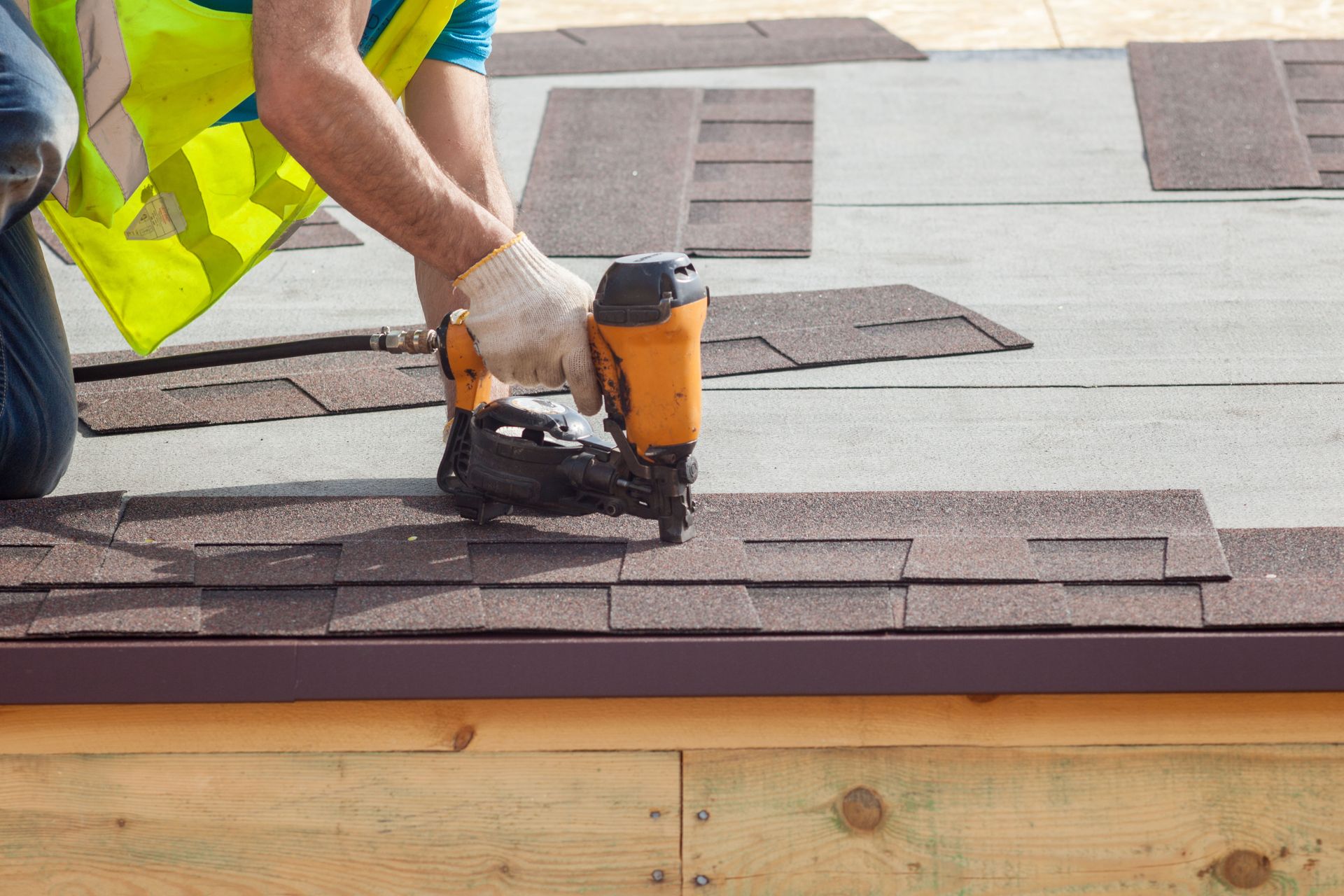
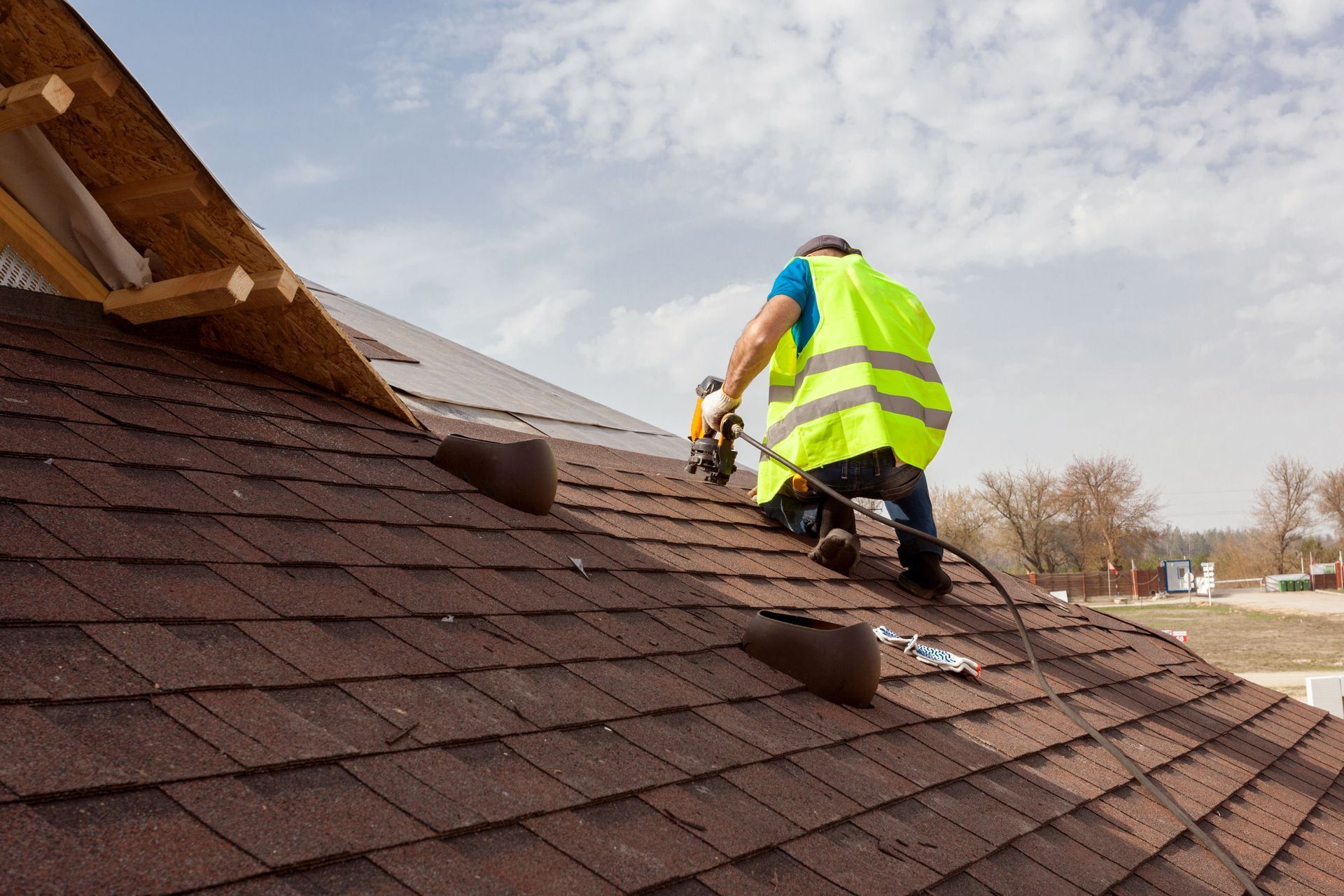
Compromised shingles or surface membranes destroy the protective outer barrier of a facility, exposing the underlying deck to accelerated environmental decay. Curled, buckled, or entirely missing shingles are clear structural indicators that the existing material is nearing or past its intended engineering service life. When shingles lose their structural integrity, wind-driven moisture easily bypasses the outer roof layers, rotting the wooden substrates and compromising building insulation. Regular visual assessments can catch these failing components early, allowing for isolated repairs before a total structural system failure develops across the entire deck.
Extensive cracking or deep discoloration across the roofing material often indicates advanced brittleness caused by decades of intense ultraviolet exposure and thermal shock. Additionally, finding large amounts of discolored shingle pieces or loose fiberglass fragments in your building's gutter drainage network signals advanced material degradation. When aging shingles shed their protective outer layer, the system loses its capacity to reflect solar heat, driving up indoor temperatures. This material failure forces your commercial HVAC systems to work harder, resulting in a spike in monthly utility expenses and premature cooling equipment fatigue.
3. Structural Sagging Across the Main Roof Deck
A sagging or drooping roof deck is a severe structural emergency that demands immediate engineering intervention to prevent catastrophic building failure. Visible dipping or irregular surface valleys along the roofline indicate that the underlying support trusses or steel decking have been structurally compromised. This sagging is frequently caused by prolonged weight strains, localized structural shifting, or decades of undetected water pooling that has rotted the structural framework. Left unaddressed, a compromised deck can lead to a partial or complete roof collapse, endangering human lives and destroying your interior physical assets.
Uneven or warped surface tiles often point directly to an advanced structural framework failure hidden beneath the top insulation layers. In commercial settings where public presentation and employee safety are paramount, an uneven roofline severely diminishes the property's market appeal and lease value. Moisture accumulation under the sagging deck exacerbates these foundational problems, accelerating wood rot and metal corrosion with every passing storm. Promptly calling in commercial roofing contractors to evaluate a sagging deck allows you to reinforce the load-bearing framework before the building is declared unsafe for occupancy.
4. Excessive Granule Loss Accumulating in the Gutters
Granule loss is a natural byproduct of roof aging, but finding excessive mineral sediment piling up inside your commercial gutters indicates critical shingle failure. These specialized granules are engineered to reflect destructive ultraviolet rays, shielding the underlying asphalt layer from solar baking and maintaining proper building thermal regulation. When shingles shed their mineral coating, the bare asphalt becomes highly susceptible to thermal cracking, shrinking, and splitting during intense summer heat. This accelerated erosion drastically shortens the operational lifespan of your roof asset while introducing unnecessary building management expenses.
Large bald patches across your roof surface indicate significant granule erosion, leaving those specific areas highly vulnerable to immediate structural breaches and leaks. An immediate on-site evaluation by
commercial roofing contractors can gauge whether this granule shedding is isolated or systemic across the entire installation. Protecting existing shingles from premature UV damage requires consistent monitoring of your drainage channels for heavy mineral accumulation.
5. Visible Daylight Piercing Through the Roof Boards
If you can see streams of natural sunlight peeking through the interior roof boards during an attic or plenum inspection, the building's envelope is compromised. Visible daylight indicates physical gaps, holes, or shifted structural joints that provide an open pathway for wind, driving rain, and outdoor pests. These structural breaches ruin your building's airtight seal, introducing unwanted drafts, outdoor humidity, and exterior dust into your managed climate zones. Addressing these openings promptly secures the corporate building envelope, guarding against unexpected elemental disruptions and preserving internal climate control.
Recognizing these signs is vital for maintaining the structural integrity of your commercial building. Proactive identification and timely intervention can address potential roofing issues before escalating into major problems. Regular inspections and maintenance can mitigate roofing issues before they escalate, ensuring safety and avoiding unnecessary expenses. Acknowledging the signs of wear helps avoid operational disruptions and safeguards the building's longevity. With strategic planning and care, commercial building owners can extend the serviceable life of their roofs significantly.
When your enterprise commits to an intentional program of property care, you unlock higher output from your workforce and establish an undeniable reputation for elite professionalism. Securing a trusted corporate maintenance partner removes the administrative burden from your internal executive leadership, allowing you to run your core programs with total peace of mind. Every modern facility requires a foundation built on absolute sanitation to truly thrive in competitive markets. By aligning your business goals with customized, eco-friendly property maintenance routines, you safeguard both your short-term profit margins and your long-term corporate identity. To discover how tailored solutions can transform your workspace and support your business goals, head over to Scott Macczak Roofing - Mohnton Home Improvements online today to view your options for service.